Episode 413: Leadership That Sticks: Building Change That Lasts with Liz Lord
Listen Now
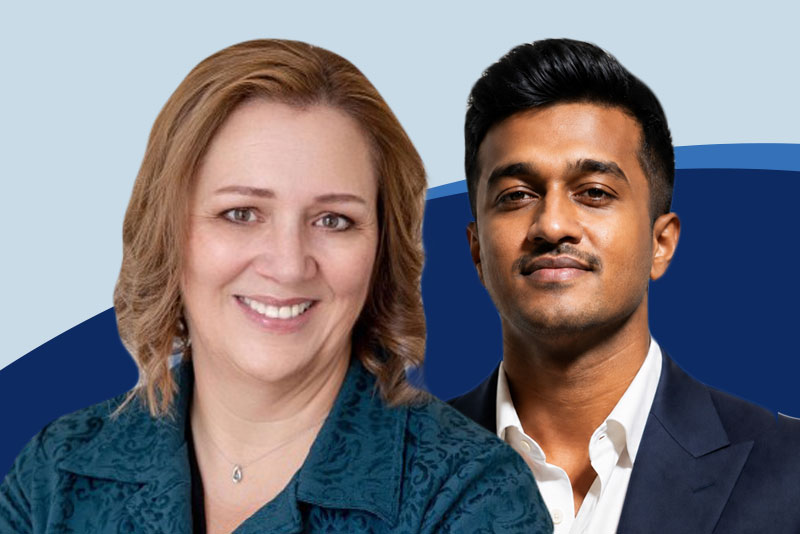
In this episode of the Less Insurance Dependence Podcast, host Lester De Alwis sits down with Laura Johnston to explore how documented Standard Operating Procedures (SOPs) help dental practices build stronger systems, align their teams, and confidently move away from insurance dependence. Laura explains why clear workflows are essential for consistency, team confidence, and patient communication—especially when practices transition toward a fee-for-service model. The conversation highlights practical ways practices can begin documenting systems, avoid common communication breakdowns, and create clarity that supports long-term growth and profitability.
Podcast: Play in new window | Download
Subscribe: RSS
Intro: This is the Less Insurance Dependence podcast show with my good friend Gary Tackers and myself, Naren Arulrajah.
Intro: We appreciate your listenership, your time, and most of all, we appreciate your intention to reduce insurance dependence in your practice. Our goal is to provide information that will help you successfully reduce insurance dependence and convert your practice into a thriving and profitable dental practice that provides you with personal, professional, and financial satisfaction.
Lester De Alwis: Welcome to the Less Insurance Dependence podcast. I’m your host, Lester the Elvis. This podcast is designed to help dental professionals build profitable, patient-focused practices with less stress and less reliance on insurance. Before we begin, a quick message from our sponsors who are sponsoring this episode, that’s Ekwa Marketing. Ekwa Marketing is offering a complimentary marketing strategy meeting where their team helps practices attract high-quality patients and grow through strong online visibility. You can book a complimentary session by visiting lessinsurance.com/marketing-strategy-meeting, and if you’re looking for mentorship or guidance on building a thriving practice, having practice, and/or an insurance-independent practice, you can also schedule a complimentary coaching strategy meeting with Gary Takacs at ThrivingDentist.com/csm.
So today I am excited to welcome Laura Johnson. Laura works closely with dental practice practices to help them document systems, align their teams, and create consistency that supports long-term growth. In today’s episode, How SOPs Align Your Team and Reduce Insurance Dependence, we will explore how documented systems help practices become profitable, confident, and aligned without relying on volume. Laura, we are so excited to have you here. Thank you for being here.
Laura Johnston: Thank you, Lester, for the invite. I love talking about this. Also, for all of you listening, take advantage of that great offer that Lester just offered, that complimentary call. Invaluable. So.
Lester De Alwis: Amazing. Thank you, Laura. So let’s start at the foundation. What made you realize that documenting SOPs is key for practices that want to reduce insurance dependence?
Laura Johnston: Necessity, really. First of all, all successful businesses need documented SOPs to thrive. It really doesn’t matter the industry or the goals. We all need those because, you know, SOPs really are the recipe for your practice. I like to think of it like cooking. If you’re cooking a stew, yeah, sure, you can throw in whatever’s in the fridge and whatever seasoning you want, but if you really want your favorite chocolate cake, right, that’s a different story. You can’t skip steps. You can’t guess measurements. You can’t change the order because, believe me, I’ve tried that and it goes sideways real fast. So, you know, dental practices are the same way. Some things can be flexible, but your most important workflows, the ones that impact your patients, the ones that impact your team’s sanity, those really need to be that recipe, right?
Laura Johnston: So every practice is different, so we don’t want to… There are templates out there, there are all kinds of things out there to help guide that SOP process, but having the recipe for your practice, for your best flow, makes sure it comes out right every single time. But back to your question, we know that insurance issues and reimbursements and claim denials and all of the things that go with insurance are one of the biggest pain points in a practice. So as much as we know it’s a total pain, deciding that you’re going to reduce the PPOs can be stressful, right? That can be a scary announcement. Insurance usage kind of has created guardrails for us, right? They’re forced systems. But when you take that away, now you have teams that don’t know how to explain their fees or how to talk about their value confidently, or now you have inconsistent workflows.
Laura Johnston: Also, we have those bottlenecks because, in most practices, everything lives in someone’s head. All that knowledge is up here. So if you’ve made changes, then it’s really difficult to follow that change because you don’t have any reference points. So to me, of course, and you know SOPs are my love language, I think that if you’re going to have that big of an operational change, it’s just a kindness to your team to document them so that clarity is how your team operates from a place of clarity. We noticed that successful insurance-independent practices have one thing in common, and it is having them documented so you’re not relying on memory or personality or insurance rules. They really become, I guess, the equalizer, right? They protect the patient experience, which is so important. They allow our teams to act with confidence, setting our teams up for success. So often we don’t—we just expect our teams to know, and they don’t know what they don’t know. If we really want them to be able to act with confidence, we need to give them the tools. Yeah. Yeah.
Lester De Alwis: Amazing. I love how you brought that perspective about, you know, when you’re cooking some food, you can’t just keep putting things in. It has to have some kind of order and organization. So yeah, I love that perspective, and that’s a great way to tell the listeners why this is very important. Now, many practices say that they have systems, but nothing is written down. I think you already mentioned this, but what problems does that create when a practice tries to move away from insurance?
Laura Johnston: Well, the biggest problem is the left hand not talking to the right, right? Interdepartmental miscommunication. I would say that’s probably number one—team confusion and that inconsistent message, how we’re describing fees or answering patients’ questions. If you get one answer from someone in the back and then you get a different answer from someone up front, to me that’s probably the biggest problem. And then what does that impact? That impacts our financial systems, so how we present the fees or fee presentation and payment options.
I think that practices should start with scripting. Expecting someone to know how to have those conversations and deal with objections just because they may have done it before—if they’ve never really been trained on it—is risky. Of course, once they get a good feel for it and learn it and use it, you don’t need those scripts anymore. But you really do need that as a part of your SOPs so that if you’re bringing on someone new, they now know the language of your practice. Or if someone on your team needs to get retrained—some of those things you don’t deal with every day, right? So you might forget.
So having that resource that’s accessible, not in some dusty binder that you have to go search through, is important. Having it digital is really important. Having it searchable is really important. Of course, all of the revenue management processes are tied together, right?
Lester De Alwis: Yeah.
Laura Johnston: I actually had a practice—I have a little story for you. I had a practice that I was called into who were just constantly complaining about the insurance issues, right? The practice owner kept saying that he wanted to reduce the amount of insurances they took, all of those things. Well, the office manager got tired of hearing about it, and nobody was doing anything. He just wasn’t doing anything about it, just a lot of talk. So she literally took it into her own hands and, without communicating it to anyone, sent a letter to all of their Delta Dental patients telling them that they weren’t going to be in that network anymore. You can imagine the nightmare this caused for the patients, the practice owner, and the whole team. It was not good. It was not a good way to go about it. So really, as part of the process of making that decision, having those conversations and documenting it is important so that you don’t end up going that way.
Lester De Alwis: Exactly. Exactly. Now the next part is about how you align this. How do clear SOPs help align the team when changes like reducing PPO participation or shifting to fee-for-service are introduced?
Laura Johnston: What was the question? Which areas should be documented first?
Lester De Alwis: Yeah.
Laura Johnston: So if you’re starting from scratch, I always recommend beginning with the areas that impact revenue and patient experience the most. The first one would be your scheduling systems. How are patients scheduled? How do you reserve time for high-value procedures? How do you handle cancellations or openings in the schedule? Your schedule really drives the entire practice, so having clear guidelines there is critical.
The second area is financial conversations. That includes how treatment plans are presented, how fees are explained, and how payment options are offered. If you’re reducing insurance dependence, your team needs to be very confident explaining the value of care and discussing financial arrangements with patients.
The third area would be insurance and billing workflows. Even if you are reducing PPO participation, you still need a clear process for how claims are handled, how estimates are communicated to patients, and how follow-ups are managed.
Another important area is the patient journey, from the first phone call all the way through treatment completion. That includes how new patient calls are handled, how patients are welcomed into the practice, and how treatment recommendations are communicated. Consistency here creates trust, and trust makes it much easier for patients to accept treatment without relying on insurance as the deciding factor.
And finally, case acceptance and follow-up systems. What happens after a treatment plan is presented? How does the team follow up with patients who need time to decide? Having a clear system for that can significantly increase treatment acceptance and overall practice profitability.
When you start documenting these core systems first, it creates a strong operational foundation. From there, you can expand into other areas of the practice, but those key workflows will have the biggest impact right away.
Laura Johnston: Yes. So that’s a really good question because not all SOPs are equal, right? You can document every little nitty-gritty thing in a practice, but trying to document everything at once can be very difficult and probably is a mistake to approach it like that. So having those first ones that impact revenue, the ones that impact patient trust, and the ones that build team confidence are the most important.
As it relates to this specific topic, becoming insurance independent, I think the biggest thing is how fees are explained. Starting with scripting is important because those financial conversations can be very difficult. How to have those conversations, those value-based conversations, matters. When you’re taking insurance, there’s so much insurance justification for why you’re doing what you’re doing when it relates to the treatment plan, right?
But if you remove that and it becomes about the patient and their experience and what their actual needs are, then being able to have those conversations becomes critical. Again, it needs to be taught. We don’t all just know how to show up and have those conversations.
And then, of course, the payment options and policies. Those have now changed, so anything that’s going to be different and impacts the revenue and those conversations with the patient needs to be documented first. Handling objections is another one because this is new for the patient as well. They probably love you, but if you’re now not in network with their insurance, how are you handling their objections confidently? Again, this needs to include some scripting and maybe even some role play so that your team has confidence around having those conversations.
And then also—these are my top five—those financial agreements and getting the proper signatures, kind of tying the little bow on top of that conversation with the patient.
Lester De Alwis: Yeah. Amazing. Now, when it comes to accountability, how do SOPs help the team with confidence, accountability, and patient communication during an insurance transition?
Laura Johnston: Well, I like to think about it like going to a foreign country where they don’t speak the same language that you speak. It’s very intimidating and, yeah, it’s scary, right? So SOPs are basically like the language of your team. When you’re all speaking the same language, that alone brings confidence. When you know what you’re supposed to do and when you’re supposed to do it, it builds confidence—not only for the team, but also for the patient. So to me, SOPs are really just about speaking the same language.
Lester De Alwis: Exactly. Amazing. Now, for a practice that wants to start this year, what are the first three SOPs you would recommend documenting to support long-term growth and independence?
Laura Johnston: So again, it can feel very overwhelming. I don’t want my clients to feel overwhelmed. Sometimes we just start with where the most pain and potential risk is, right? Looking at the workflows that impact each other. It’s not just about this SOP in a silo or that SOP in a silo. It’s about how one impacts another.
To me, that should be a conversation where everyone sits down and says, “Oh, I hate when this happens because…” and they have some buy-in to the conversation. If you just come into a practice and try to change everything at once—believe me, when we were new, we were so excited and wanted to change everything for a practice and get it all documented—but that’s actually very difficult to do.
So start with where the biggest pain is or where the biggest risk is. Look at what causes the most daily confusion. When you look at your day, what causes the most mistakes or rework? Where does money get lost in the process? What does that workflow look like? Of course, compliance is always something to consider as well.
There are lots of SOPs I could list. If you looked at our checklist of SOPs in our templates, you would probably get lost in it. So again, start with a conversation with your team. Ask what is causing the most stress for the team and honestly just start there.
We actually have a free resource where you can check them off as you go so that eventually you make sure you have all of the SOPs you need. But you build them out in a way that feels good to everybody. Everyone gets buy-in to the conversation. Even if you don’t choose to do it the way I want it done, having a voice in the process is really helpful for the buy-in of the whole team.
Lester De Alwis: Alright, yeah. You mentioned some resources. Would you like to let our listeners know where they can find these resources?
Laura Johnston: Yeah, thank you. On our website, www.mydentalsop.com/resources, there are a bunch of resources available. You can get to know, like, and trust us just from some of the materials we provide there. That’s really the best way to reach out, and I encourage everyone to take advantage of those because this process can feel overwhelming. I don’t want it to feel overwhelming. I want it to feel like a team effort and a creative process to make going to work fun again.
Lester De Alwis: Exactly. This whole conversation is about working together and making sure you’re not alone. Whoever is listening to this episode, we want to make sure this episode—or this series of episodes we are doing today—is beneficial for you in the future. With that in mind, if somebody wants to have a discussion or even a chat about their practice and get your perspective, what would be the best way to contact you?
Laura Johnston: You can find us at mydentalsop on all the social platforms, but the best way is really through our website. There you can schedule a call with us, see all of the suggestions we make, and review the products and services we offer. So yes, the website is the best place to start.
Lester De Alwis: Amazing. Thank you, Laura. Laura, thank you so much for joining us today and sharing so much insight and practical advice on systems and alignment.
Laura Johnston: Thank you so much for having me, and thanks for all you guys do. I really appreciate it.
Lester De Alwis: So the key takeaway is that practices that document their systems create clarity. That clarity builds team confidence, improves patient communication, and makes reducing insurance dependence possible. This podcast is about taking action. Like I mentioned earlier, if you’re looking to do a health checkup on your online visibility or your marketing, you can schedule a complimentary marketing strategy meeting with Ekwa Marketing at lessinsurancedependence.com/marketing-strategy-meeting.
If you are looking for mentorship or want help regarding your practice, you can book a complimentary coaching strategy meeting with Gary at thrivingdentist.com/csm.
All the resources we shared in this episode are complimentary and can help you move toward a stronger and more independent practice. If you found value in today’s episode, please share it with a colleague or friend who could benefit from reducing their insurance dependence.
Thank you so much for spending your time with us today. I look forward to connecting with you again on the next episode of the Less Insurance Dependence Podcast. Until then, keep moving toward a thriving, independent practice.
SOPs are really the recipe for your practice. If you want consistent results, you can’t skip steps or guess measurements.
Laura Johnston
Practices that document their systems create clarity—and that clarity builds team confidence and improves patient communication.
Lester De Alwis
 One of Gary's most significant achievements as a dental practice management coach is transforming his own practice, LifeSmiles, from one that was infected with PPO plans, no effective marketing strategy, and an overhead of 80% to a very successful dental practice that is currently one of the top-performing practices in the US.
 As CEO of Ekwa Marketing, Naren has over a decade of experience working with dental practices and helping them attract the ideal type of patients to their practices. It is his goal to help dentists do more of the type of dentistry they love with the help and support of effective digital marketing.